
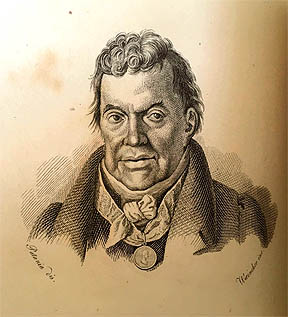
Baron Pietro Pisani and the Moral Treatment of the Mentally Ill
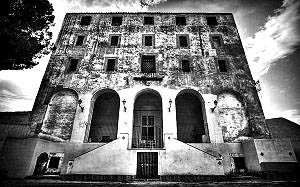
Baron Pietro Pisani and the Moral Treatment of the Mentally Ill
Perhaps this
story interests me because my maternal ancestors came from Palermo, Sicily. It
was there in 1824 that Real Casa dei Matti (the Royal Home for the Insane) was
founded, by Baron Pietro Pisani. Unlike similar institutions in Europe and the
US, Pisani was dedicated to the ‘moral treatment’ of his patients and rejected
the use of chains and beatings.
Pisani was born around 1760. He had a fondness for the finer things in life, mainly
painting and music, but he put his aristocracy and social advantage to a beneficent
cause.
In 1802, Pisani
was outraged by the living conditions of those suffering from tuberculosis,
leprosy and severe mental illness. They were locked up together and forgotten about after confinement
in the Ospedale di S. Giovanni dei Lebbrosi. Sooner or later, patients with
mental illness were transferred to the institutional building of the
ex-noviziato dei Padri Teresiani ai Porrazzi which Baron Pisani began managing in
1824, transforming it into Real Casa dei Matti.
He promoted
therapies that involved recreational activities and entertainments, even pioneering
an early form of occupational therapy. He was very open to ideas spearheaded by
popular physicians specializing in mental illness. Patients were not locked in
cells when at all possible; a walk in the gardens and participation in growing food crops (which would then be used in the institution’s
kitchens) was encouraged.
Also considered
important was hygiene and clothing as well as pride in one’s appearance. Pisani
believed daily structure was beneficial, thus avoiding unexpected intrusions
which could lead to rampages. Music was used as a therapy, foreshadowing
the ‘Mozart Effect’ by several years (in addition to being a calming influence,
its benefits are associated with helping to quell anxiety, hypertension, and
epilepsy). Poetry was also read to groups of confined patients, the verse and cadence
chosen to mentally soothe and stimulate thinking in a lucid manner.
Pisani’s method classified patients rather than lumping them all in one chaotic category.
His classifications would sound quite provincial today, (eg. maniac), it is
interesting to note he had a special category ‘malinconici’ (melancholy), or in
today’s terminology, depression.
Pisani
considered allowing visits from relatives when the living in society began to gradually
became a possibility for some patients after they were sufficiently improved. Because
of this, he believed it important that they sustain contact with people and
events beyond the institution. It would also a prepare the patient for a future
life in society.
News of
Pisani’s efforts began to spread beyond Casa Real. In 1835 an article was
reproduced in “The Friend”, a US magazine, which quoted a US surgeon’s visit to
Casa Real. The cutting-edge administration was witnessed and reported thusly:
The tranquil
patients or subjects were put at work of some kind. This was and is yet the
only medicinal means employed, if it may be so termed, except in cases where
some physical disease is manifested. As reason is restored, and when they
become capable, they are employed in various useful and responsible little
offices in the house. This is found to soothe their irascibility in some
instances, and in many to rouse their ambition and self-esteem.
The US surgeon
also noted that carefully documented archival records were kept and that the
institution had an abundance of staff who had to follow rules: ‘Conciliatory
persuasion and gentle means only are permitted to be used, the infamous use of
the whip is not only abolished, but all harsh abuses and violent language and
epithets are constantly rejected and carefully avoided'.
Restraints
and straight-jackets were used, but, only in extreme cases, chiefly to protect
the patients from harming themselves. While Casa Real could not be thought of
as a walk in the park by any stretch of the imagination, Pisani was light years
ahead of most similar institutions.
Alexander
Dumas refered to Pisani in the classic, The Count of Monte Cristo:
“Do you know
with what design M. de Monte-Cristo purchased a house at Auteuil?”
“Certainly,
for he told me.”
“What was
it, sir?”
“To make a
lunatic asylum of it similar to that founded by the Count of Pisani at
Palermo.”
“Do you know
that edifice?”
“I have
heard of it.”
“It is a
magnificent institution.”
Edgar Allan
Poe was inspired by Pisani in “The Metropolitan Magazine”. He wrote the satirical story: ‘The System
of Doctor Tarr and Professor Fether’. The fictional French
insane asylum he writes about, used to have a ‘soothing’ regime which was then
replaced by a stricter and cruel game plan implemented by the fictitious Tarr
and Fether, a reference to medieval punishments. Poe likely intended his story
to be a satire on the prevailing barbaric practices found in many American
institutions.
Pisani’s ideas
have been implemented through the ages, though was never talked about either in
nursing school or any psychiatric facilities I worked in, nor had anyone remembered
hearing of him!
© 2022 Guiomar Goransson